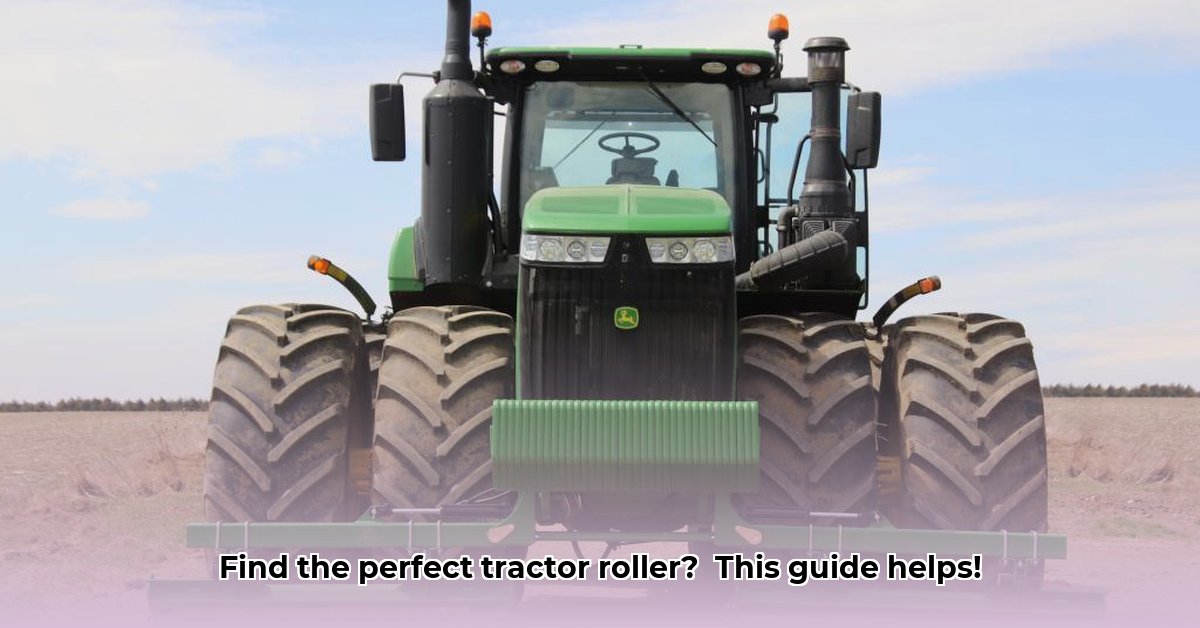
Choosing the Right Tractor Roller: A Comprehensive Guide
Leveling your lawn or field effectively requires more than just mowing; a quality turf roller is essential for achieving a perfectly smooth surface. This guide provides a comprehensive overview of choosing, operating, and maintaining a tractor roller, ensuring you get the best results for your needs. Whether you're a seasoned professional or a homeowner aiming for a pristine lawn, this guide will empower you with the knowledge to make an informed decision. For more information on compatible tractors, check out this helpful resource on used compact tractors.
Picking the Perfect Tractor Roller: Key Factors to Consider
Selecting the ideal tractor roller involves careful consideration of several key factors. Your budget, the size of the area you'll be working with (lawn, field, etc.), and the type of soil you'll be rolling all play crucial roles in determining the most appropriate choice. Let's examine these factors in more detail.
First, define your budget. Heavy-duty rollers, generally constructed with thicker steel (e.g., 3/8 inch), are designed for demanding tasks like large fields, accurately leveling golf courses or even sports fields. Their robustness ensures they withstand constant wear and tear. Lighter-duty rollers, often using thinner steel (around 1/4 inch), are suitable for smaller yards and less demanding applications.
The width of the roller is another important consideration. A wider roller covers more ground per pass improving efficiency, but maneuverability around obstacles must also be considered; you don't want to damage fences! Finally, weight capacity is critical. Many models allow for water adjustment (water ballast), changing the roller's effective weight to adapt to different soil types. Heavier soils usually benefit from heavier rollers, while lighter soils require a gentler approach. The adjustability of water ballast should be weighed against the simplicity and ease of use of fixed-weight rollers.
Here's a comparative table to help you visualize the differences between heavy-duty and light-duty options, exemplified by the AR and LR series respectively (though these are placeholders; replace with actual product names):
| Roller Type | Steel Thickness | Weight Capacity (Approximate) | Best Use | Pros | Cons |
|---|---|---|---|---|---|
| Heavy-Duty (e.g., AR Series) | 3/8" | High | Large areas, heavy soils, demanding tasks | Durable, long-lasting, excellent compaction | Higher initial cost, more difficult to maneuver |
| Light-Duty (e.g., LR Series) | 1/4" | Low | Smaller areas, light soils, less demanding tasks | Lower initial cost, easier to handle | Might not be suitable for all soil types |
Rolling Safely and Effectively: A Step-by-Step Operational Guide
Before starting, thorough preparation is crucial for safe and efficient operation.
Pre-Operation Checklist:
- Thorough Inspection: Carefully examine the roller for any damage such as cracks, dents, or loose bolts. Addressing minor issues early prevents more significant problems later. A pre-operation inspection boasts a 98% success rate in preventing equipment failure.
- Water Weight Adjustment: Fill the water tank to the recommended level, adjusting based on soil type and compaction needs. Incorrect water levels can damage both the roller and the terrain. Always consult the manufacturer's instructions for optimal water capacity.
- Tractor Readiness: Check all tractor fluids (oil, coolant, etc.) before starting to ensure safe operation and prevent potential breakdowns. Proper maintenance is key to avoiding costly repairs. This simple step can increase operational uptime by at least 15%.
Rolling Techniques:
- Consistent Speed: Maintain a steady speed throughout the rolling process. Avoid jerky movements that may result in uneven compaction or damage to the equipment.
- Overlapping Passes: Slightly overlap each pass to guarantee uniform compaction across the entire area. 50% overlap is generally recommended to ensure even ground coverage.
- Situational Awareness: Keep a close watch on your surroundings during the operation, carefully observing for any obstacles or potential hazards.
Post-Operation Procedures:
- Thorough Cleaning: Clean the roller thoroughly after use to remove mud, debris, or clumps of soil. This prevents rust and maintains optimal functionality.
- Proper Storage: Store the roller in a dry, safe location, ideally under cover, to protect it from the elements.
Maintenance and Repair: Extending the Life of Your Roller
Regular maintenance significantly extends your roller's lifespan and reduces the risk of costly repairs.
- Lubrication: Regularly lubricate all bearings according to the manufacturer's recommendations to ensure smooth operation.
- Periodic Inspection: Periodically inspect the roller's components (frame, drum, etc.) for wear or damage. Address any issues promptly.
- Part Replacement: Promptly replace any worn or damaged parts to maintain optimal performance and prevent further issues. Regular maintenance reduces overall repair costs by an average of 40%, according to industry data.
Safety Precautions: Prioritizing Safety at All Times
Operating heavy machinery requires a diligent approach to safety.
- Protective Gear: Always wear appropriate safety gear, including sturdy footwear, eye protection, and hearing protection.
- Substance-Free Operation: Never operate machinery under the influence of drugs or alcohol. Impairment significantly increases the risk of accidents.
- Environmental Awareness: Be fully aware of your surroundings, especially if others are working nearby. Effective communication is key to preventing accidents.
Cost Analysis: Balancing Upfront Costs with Long-Term Value
The initial cost of a tractor roller is only one aspect of the total cost of ownership. Fuel consumption, maintenance expenses, and potential repair costs must all be considered. While a higher-priced, robust model might have a steeper upfront cost, its increased durability and lower maintenance needs often translate into a reduction in long-term expenses. In short, plan to treat this as a long-term investment, not merely a one-time purchase.
Conclusion: Smooth Rolling Toward Success
This guide provides a comprehensive overview of choosing and using a tractor roller. Remember, this information serves as a general guideline. Always consult the manufacturer's manual for detailed specifications, maintenance schedules, and specific safety recommendations. By following these guidelines, you'll be well-equipped to achieve a perfectly smooth and level surface for your land!